
Why Does Knee Pain Increase During Monsoon? Expert Guide
Either you are looking for Why Does Knee Pain Increase During Monsoon? Causes, Relief & When to See a Doctor Discover why knee pain worsens during monsoon, common causes, symptoms, home remedies, treatments, and when to consult an orthopedic doctor.
Medical Trust Bar
✔ Medically Reviewed by : Orthopedic Doctor
✔ Reading Time: 12 Minutes
✔ Evidence-Based Information
✔ Patient Education Article
If your knees feel stiffer, heavier, or more painful whenever the rainy season begins, you’re not alone. Many people report worsening joint pain during monsoon, particularly those living with osteoarthritis, previous injuries, or inflammatory joint conditions. While rain itself doesn’t directly damage your joints, changes in humidity, atmospheric pressure, reduced physical activity, and existing joint problems may contribute to increased discomfort.
This comprehensive guide explains why knee pain often worsens during monsoon, what scientific studies suggest, practical ways to reduce symptoms, and when it’s time to consult an orthopedic specialist.
| Quick Facts | Information |
|---|---|
| Condition | Knee Pain During Monsoon |
| Common Age Group | Adults above 40 years (can affect younger people with injuries) |
| Common Causes | Osteoarthritis, old injuries, ligament damage, muscle stiffness |
| Symptoms | Pain, stiffness, swelling, difficulty walking |
| Emergency? | Usually No (unless severe injury, infection, or inability to bear weight) |
| Specialist | Orthopedic Surgeon |
| Treatment | Lifestyle changes, physiotherapy, medicines, and condition-specific treatment |
Table of Contents
Does Rain Really Increase Knee Pain?
Every monsoon, orthopedic clinics across India notice a familiar concern from patients:
“Doctor, my knee pain becomes worse whenever it rains.”
This experience is so common that many people believe rain itself causes joint pain. In reality, the relationship is more complex.
Current research suggests that weather does not directly damage your knee joint. Instead, certain weather-related factors—such as changes in atmospheric pressure, increased humidity, cooler temperatures, and reduced physical activity—may influence how existing joint problems feel. People with osteoarthritis, previous ligament injuries, or chronic knee conditions are more likely to notice these changes than individuals with healthy joints.
Some patients even report that their knees begin aching before rainfall starts. One explanation is that falling barometric pressure may allow tissues around an already inflamed joint to expand slightly, increasing pressure on sensitive nerves. While scientific studies have produced mixed results, many orthopedic specialists acknowledge that weather can affect pain perception in susceptible individuals.
The important takeaway is this:
Monsoon weather does not create arthritis or knee injuries—but it can make an existing problem feel more noticeable.
If knee pain keeps returning every rainy season, it should not be ignored. Persistent discomfort may indicate an underlying condition that deserves proper evaluation rather than repeated self-medication.
📊 Did You Know?
Many patients with osteoarthritis, rheumatoid arthritis, previous ligament injuries, or cartilage damage report seasonal fluctuations in pain intensity. Individual experiences vary, and weather sensitivity is not universal.
🌧️ Why Does Knee Pain Increase During Monsoon?
There isn’t a single cause. Instead, several factors may work together.
1. Changes in Atmospheric Pressure
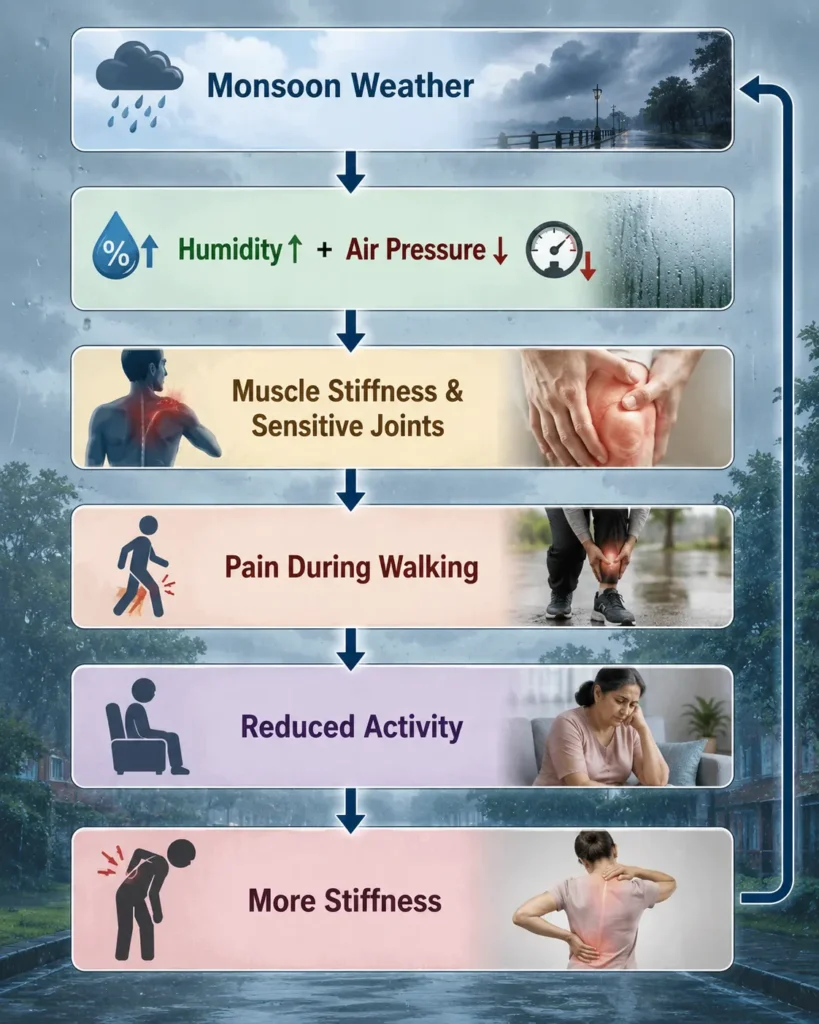
During monsoon, atmospheric pressure often decreases. Some researchers suggest that lower pressure may allow soft tissues around joints to expand slightly, increasing pressure on pain-sensitive structures.
2. Higher Humidity
High humidity may contribute to feelings of joint stiffness in some individuals. People often notice that moving after sitting for long periods becomes more difficult during damp weather.
3. Reduced Physical Activity
Rainy weather frequently leads to spending more time indoors. Reduced movement can increase muscle stiffness, decrease joint flexibility, and make knee pain feel worse.
4. Previous Injuries Become More Noticeable
Old ACL injuries, meniscus tears, fractures, or previous knee surgeries may become more symptomatic during seasonal weather changes.
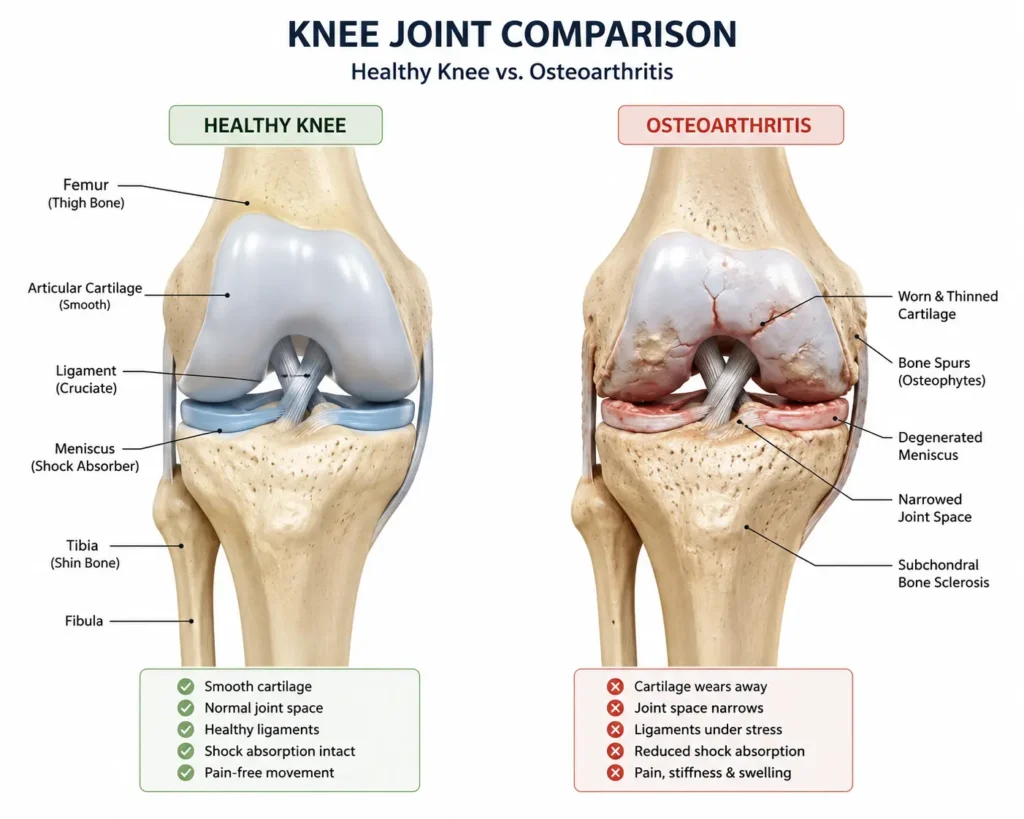
5. Osteoarthritis
The most common reason for worsening monsoon knee pain is underlying osteoarthritis. As the cartilage cushioning the knee wears down over time, everyday activities and environmental factors may trigger more noticeable discomfort.
💡 Orthopedic Expert Insight
Seasonal weather may influence how painful an existing knee condition feels, but it should never be assumed to be the sole cause. If pain is persistent, severe, or associated with swelling, locking, or instability, a proper orthopedic evaluation is recommended to identify the underlying condition and guide treatment.
🚨 Common Symptoms of Knee Pain During Monsoon
Not everyone experiences the same symptoms. Some people notice mild stiffness, while others find it difficult to walk or climb stairs. Symptoms often depend on the underlying cause, such as osteoarthritis, a previous ligament injury, or inflammation.
Symptoms You May Experience
| Symptom | What It Feels Like | Common Severity |
|---|---|---|
| Knee stiffness | Difficulty bending the knee after sitting or waking up | Mild to Moderate |
| Dull aching pain | Continuous discomfort around the knee joint | Mild to Moderate |
| Sharp pain while climbing stairs | Pain increases during movement | Moderate |
| Swelling | Puffiness around the knee | Mild to Severe |
| Knee feels warm | Sometimes associated with inflammation | Moderate |
| Clicking or cracking sound | Often occurs with arthritis or cartilage wear | Mild |
| Knee giving way | Feeling unstable while walking | Moderate to Severe |
| Reduced flexibility | Difficulty squatting or sitting cross-legged | Moderate |
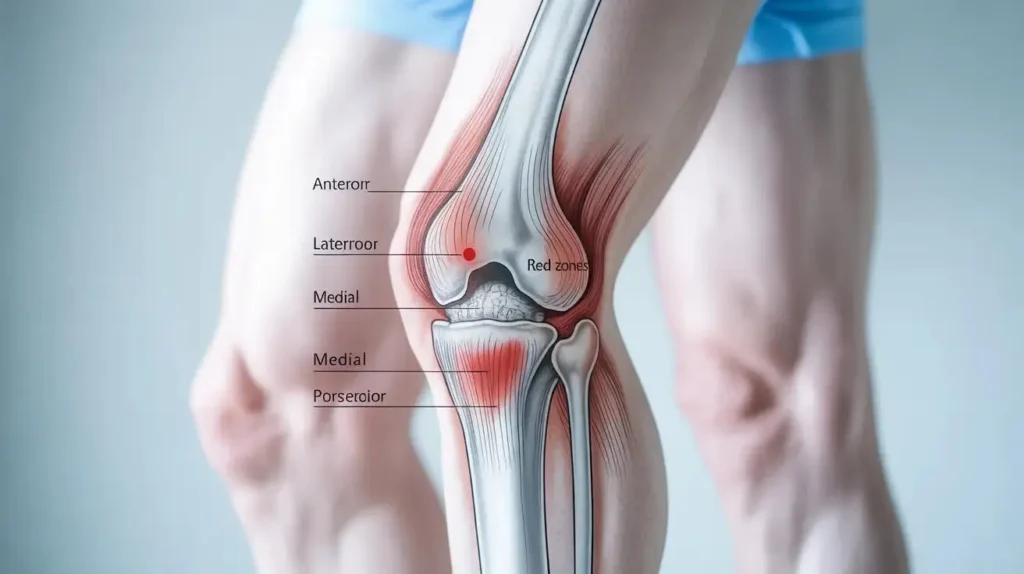
Where Exactly Is Your Knee Pain?
Pain location often provides important clues about the underlying problem.
| Pain Location | Possible Cause* |
|---|---|
| Front of the knee | Patellofemoral pain, cartilage irritation |
| Inside of the knee | Osteoarthritis, medial meniscus injury |
| Outside of the knee | Iliotibial band irritation |
| Back of the knee | Baker’s cyst, hamstring strain |
| Deep inside the knee | Ligament or meniscus injury |
*Only a clinical examination and appropriate investigations can confirm the diagnosis.
🚦 Knee Pain Severity Checker
This simple guide can help readers understand when symptoms may need medical attention.
| Level | Symptoms | Recommended Action |
|---|---|---|
| 🟢 Mild | Occasional pain, slight stiffness | Stay active, monitor symptoms, home care |
| 🟡 Moderate | Daily pain, difficulty climbing stairs, swelling | Schedule an orthopedic consultation |
| 🔴 Severe | Unable to bear weight, severe swelling, fever, deformity, or sudden locking | Seek urgent medical evaluation |
📌 Callout Box
Don’t ignore persistent knee pain just because it happens every monsoon. Seasonal weather may reveal an existing problem—it shouldn’t be used as an explanation for delaying treatment.
👥 Who Is Most at Risk?
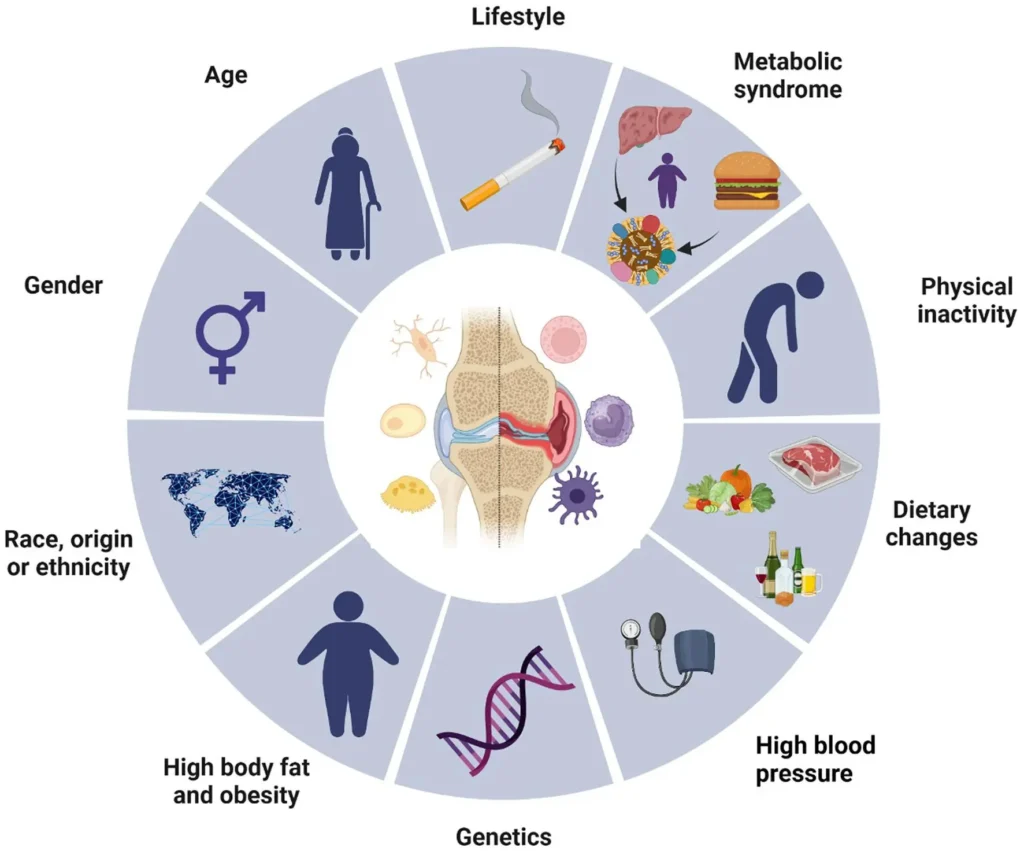
Although anyone can notice knee discomfort during damp weather, some groups are affected more often.
| Risk Group | Why the Risk Is Higher |
|---|---|
| Adults above 50 | Age-related cartilage wear |
| People with osteoarthritis | Existing joint degeneration |
| Previous ACL or meniscus injury | Old injuries may become symptomatic |
| People with obesity | Increased pressure on knee joints |
| Rheumatoid arthritis patients | Inflammatory joint disease |
| Athletes | Previous sports injuries |
| Sedentary workers | Reduced muscle strength and flexibility |
🔍 Why Some People Feel Pain Before It Rains
Many patients say:
“I knew it was going to rain because my knee started hurting.”
Although research findings are mixed, one explanation is that a drop in barometric pressure before rainfall may slightly change the pressure around inflamed tissues, making existing pain more noticeable. Stress, inactivity, and temperature changes may also contribute.
The key point is that weather may influence symptoms, but it does not create arthritis or repair damaged cartilage.
🏡 10 Evidence-Based Ways to Reduce Knee Pain During Monsoon
1. Keep Moving
Avoid staying in one position for long periods.
Why it helps: Gentle movement keeps joints lubricated and reduces stiffness.
2. Apply a Warm Compress
A warm compress may help relax muscles and reduce the sensation of stiffness.
Avoid: Applying excessive heat directly to swollen or injured skin.
3. Maintain a Healthy Weight
Every extra kilogram of body weight increases the load on the knee during daily activities.
4. Wear Supportive Footwear
Good shoes improve alignment and reduce stress on the knee.
5. Continue Prescribed Physiotherapy
Don’t stop your exercises just because it’s raining outside.
6. Stay Hydrated
Adequate hydration supports overall health and helps maintain normal body function.
7. Strengthen Your Leg Muscles
Stronger muscles support the knee joint and improve stability.
8. Avoid Sudden Twisting Movements
Rapid direction changes can worsen existing ligament injuries.
9. Improve Vitamin D Status
If your doctor suspects vitamin D deficiency, they may recommend testing and appropriate treatment. Avoid taking supplements without medical advice.
10. Seek Medical Advice if Pain Persists
If symptoms continue despite self-care, consult an orthopedic specialist rather than relying on painkillers alone.
💡 Doctor’s Advice
Pain relief medicines may reduce symptoms temporarily, but they do not treat the underlying cause of knee pain. Recurrent pain deserves a proper diagnosis.
🏃 Best Exercises During Monsoon
These exercises are commonly recommended for improving knee strength and flexibility. Always perform them under the guidance of your healthcare provider or physiotherapist, especially if you have significant pain or have recently undergone surgery.
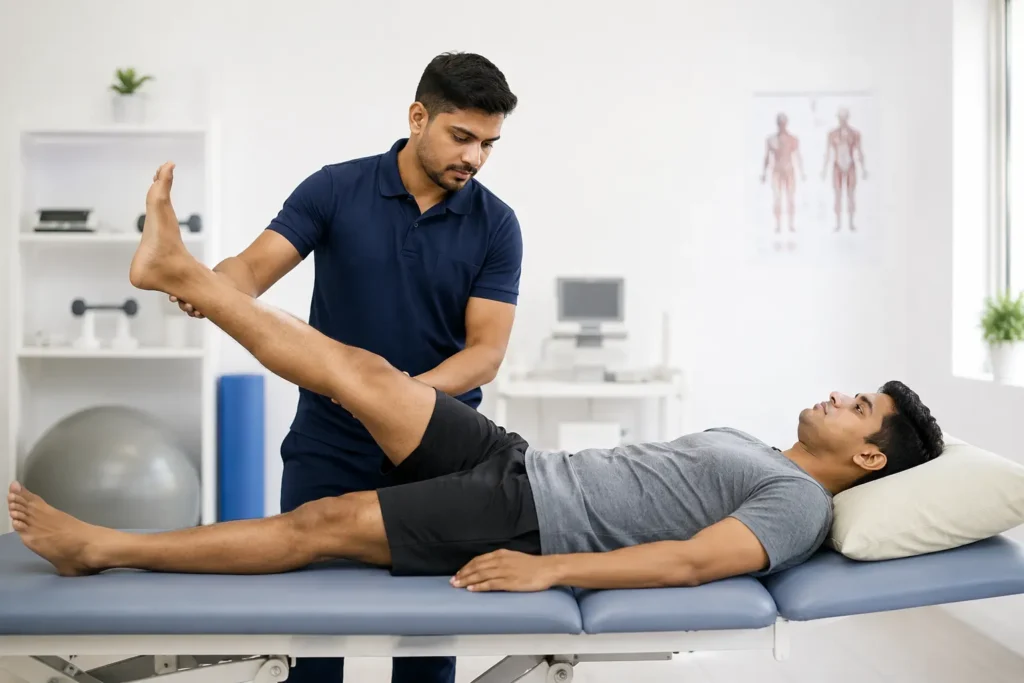
Straight Leg Raise
Benefits
- Strengthens the quadriceps
- Supports the knee joint
Avoid if
- It causes severe pain or your doctor has advised against it.
Heel Slides
Benefits
- Improves knee mobility
- Reduces stiffness
Hamstring Stretch
Benefits
- Improves flexibility
- Reduces muscle tightness
Mini Squats (Only if Recommended)
Benefits
- Builds lower limb strength
- Improves balance
🥗 Foods That Support Joint Health
A balanced diet supports overall health and may help people with inflammatory conditions when combined with appropriate medical treatment.

| Food | Why It May Help |
|---|---|
| Fatty fish | Source of omega-3 fatty acids |
| Turmeric | Contains curcumin, which has anti-inflammatory properties under study |
| Ginger | Commonly used in traditional diets; may help some people |
| Leafy greens | Rich in vitamins and minerals |
| Citrus fruits | Vitamin C supports collagen formation |
| Milk or fortified alternatives | Calcium and vitamin D (depending on product) |
| Nuts and seeds | Healthy fats and micronutrients |
📝 Monsoon Knee Care Checklist
✔ Stay physically active every day.
✔ Warm up before exercise.
✔ Avoid sitting for long periods.
✔ Wear supportive footwear.
✔ Follow your physiotherapy plan.
✔ Maintain a healthy body weight.
✔ Eat a balanced diet.
✔ Keep your follow-up appointments.
Myth vs Fact
| Myth | Fact |
|---|---|
| Rain damages healthy knees. | Rain does not damage healthy joints, but some people with existing conditions may notice increased symptoms. |
| Rest is always the best treatment. | Appropriate movement and exercise are often important parts of recovery. |
| Every knee pain requires surgery. | Many conditions improve with non-surgical treatment, depending on the diagnosis. |
| Painkillers solve the problem permanently. | Pain relief does not replace diagnosis and treatment of the underlying condition. |
How Do Orthopedic Doctors Diagnose Knee Pain During Monsoon?
Many people assume that rainy weather is the cause of their pain. However, an orthopedic specialist’s first goal is to determine whether the pain is due to an underlying knee condition that simply becomes more noticeable during monsoon.
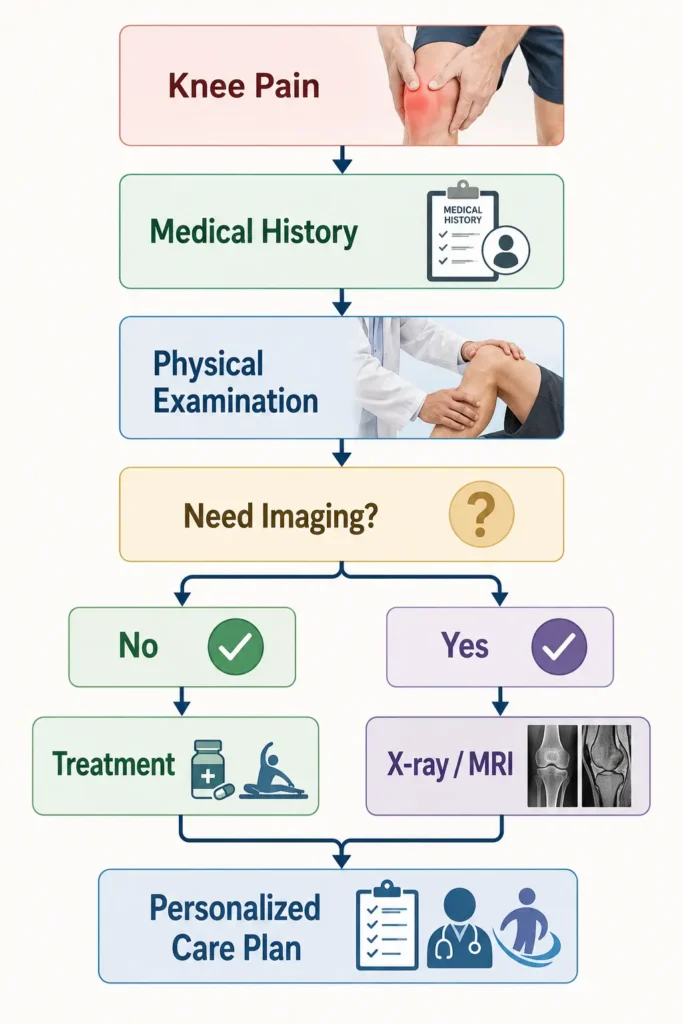
Step 1: Medical History
Your doctor may ask questions such as:
- When did the pain begin?
- Does the pain worsen only during monsoon or throughout the year?
- Have you had a previous knee injury or surgery?
- Is the pain in one knee or both?
- Do you hear clicking, locking, or popping sounds?
- Do you have fever or unexplained weight loss?
- Are you able to climb stairs comfortably?
These answers help narrow down the possible causes.
Step 2: Physical Examination
During the examination, your doctor may assess:
- Knee swelling
- Tenderness
- Range of motion
- Walking pattern (gait)
- Joint stability
- Ligament function
- Muscle strength
- Knee alignment
Step 3: Diagnostic Tests (Only When Needed)
Not everyone with knee pain requires imaging. Your doctor will recommend tests based on your symptoms and examination findings.
| Investigation | Why It May Be Recommended |
|---|---|
| X-ray | To evaluate bones and signs of osteoarthritis |
| MRI | To assess ligaments, meniscus, cartilage, or soft tissues |
| Ultrasound | For selected soft tissue conditions |
| Blood Tests | If inflammatory arthritis or infection is suspected |
💊 Treatment Options
Treatment depends on the underlying diagnosis, not simply the weather.
1. Lifestyle Modifications
Often recommended for mild or early symptoms:
- Stay physically active.
- Maintain a healthy weight.
- Avoid prolonged sitting.
- Use supportive footwear.
- Warm up before exercise.
2. Physiotherapy
Physiotherapy may help improve:
- Joint mobility
- Muscle strength
- Balance
- Functional movement
A physiotherapist can tailor exercises to your condition.
3. Medications
Your doctor may prescribe medication to reduce pain or inflammation when appropriate. Do not start or continue medicines for long periods without medical advice, as some pain relievers may have side effects.
4. Knee Braces or Supports
In selected cases, braces may provide additional support and improve confidence while walking. The type of brace should be chosen according to the underlying condition.
5. Injection Therapy
Some patients may benefit from injection-based treatments, depending on the diagnosis and after discussing potential benefits and limitations with their orthopedic specialist.
6. Surgery
Surgery is not the first treatment for most people with monsoon-related knee pain.
It may be considered when:
- Conservative treatment has not provided adequate relief.
- There is significant structural damage.
- Daily activities are severely affected.
- The underlying condition requires surgical management.
Examples include arthroscopic procedures or knee replacement surgery, depending on the diagnosis.
Which Specialist Should You Consult?
| Symptom | Recommended Specialist |
|---|---|
| Persistent knee pain | Orthopedic Surgeon |
| Sports injury | Sports Medicine / Orthopedic Specialist |
| Arthritis | Orthopedic Surgeon or Rheumatologist (depending on diagnosis) |
| Physiotherapy needs | Licensed Physiotherapist (with medical guidance) |
🚨 When Should You See a Doctor Immediately?
Seek prompt medical attention if you experience:
- Sudden inability to bear weight.
- Severe swelling after an injury.
- Knee deformity.
- Fever with a swollen, painful knee.
- Redness and warmth spreading around the joint.
- Knee locking or repeated giving way.
- Pain that does not improve despite appropriate self-care.
Do not ignore these warning signs. Early diagnosis can prevent complications and improve treatment outcomes.
📋 Patient Checklist Before Visiting an Orthopedic Doctor
Bring the following, if available:
- Previous X-rays or MRI scans.
- List of current medications.
- Previous surgery records.
- Health insurance or RGHS documents (if applicable).
- A note describing when the pain occurs and what makes it better or worse.
💬 Frequently Asked Questions
1. Is knee pain during monsoon normal?
Many people with existing knee conditions report increased discomfort during monsoon. Persistent or severe pain should be medically evaluated.
2. Can rain cause arthritis?
No. Rain does not cause arthritis. However, some people with arthritis notice changes in symptoms during certain weather conditions.
3. Should I stop exercising during monsoon?
Not usually. Appropriate exercise often helps reduce stiffness and maintain joint function. Follow your doctor’s or physiotherapist’s advice.
4. Which exercises are safest?
Low-impact exercises such as walking, stretching, and strengthening routines recommended by your healthcare provider are commonly advised.
5. Can vitamin D deficiency cause knee pain?
Vitamin D deficiency may contribute to bone and muscle symptoms in some people. Your doctor can determine whether testing is appropriate.
6. Should I use ice or heat?
This depends on the cause of your pain. Heat is often used for stiffness, while ice may be helpful after an acute injury. Follow your clinician’s advice.
7. Does every patient with osteoarthritis need knee replacement?
No. Many people are successfully managed with lifestyle changes, physiotherapy, medications, and other non-surgical treatments.
8. Is walking good for knee pain?
For many people, regular, low-impact walking is beneficial. However, activity should be tailored to your condition and pain level.
9. When should I get an MRI?
An MRI is recommended only when your doctor believes it will help diagnose a specific problem or guide treatment.
10. Can young adults experience knee pain during monsoon?
Yes. Previous sports injuries, ligament tears, overuse, or inflammatory conditions can affect younger individuals.
60-Second Doctor Answer
Question: Why does knee pain increase during monsoon?
Answer: Knee pain may become more noticeable during monsoon because humidity, lower atmospheric pressure, reduced physical activity, and underlying joint conditions such as osteoarthritis can increase stiffness and discomfort. Rain itself does not damage the knee joint, but it can make existing problems feel worse.
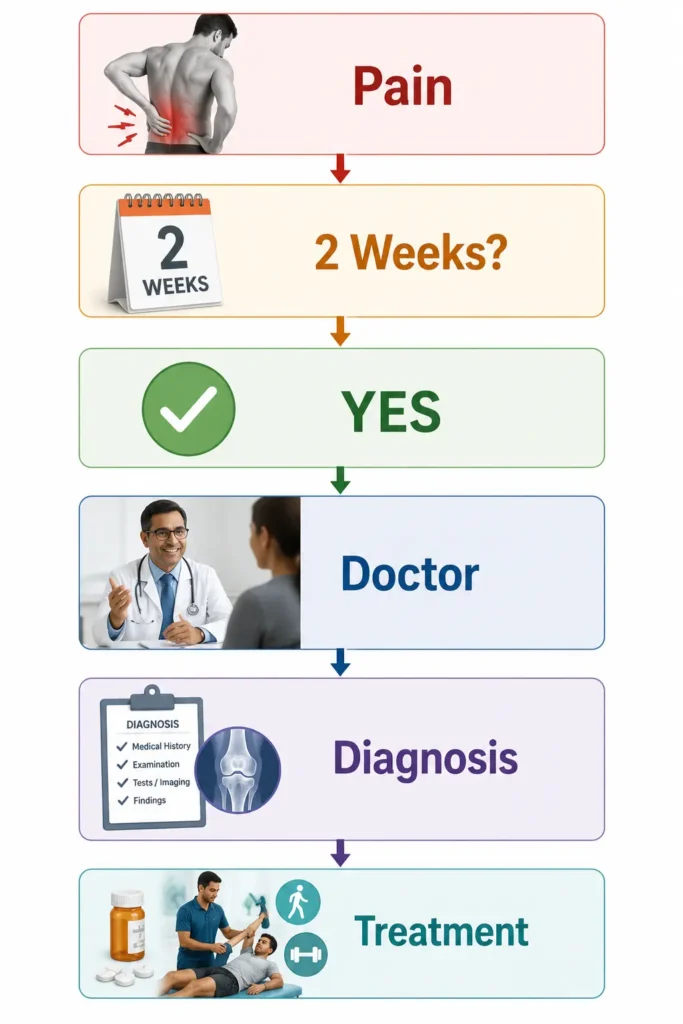
Takeaway: If your pain lasts more than two weeks, worsens over time, or is associated with swelling or difficulty walking, consult an orthopedic specialist.
📚 References
When publishing, cite reputable sources such as:
- World Health Organization
- American Academy of Orthopaedic Surgeons
- National Institute for Health and Care Excellence
- Arthritis Foundation
👨⚕️ Medical Reviewer
Reviewed by:
Dr. Chinmaya Sharma
MS (Orthopedics) | Joint Replacement & Sports Injury Specialist
- Review Date: July 2026
- Next Scheduled Review: July 2027
👤 Author
RajOrthoExperts Editorial Team
Our editorial content is created to educate patients using evidence-informed information and is medically reviewed before publication. It is intended to support—not replace—the advice of qualified healthcare professionals.
⚠️ Medical Disclaimer
This article is provided for educational purposes only. It is not intended to diagnose, treat, cure, or prevent any disease. Individual symptoms and treatment needs vary. Always consult a qualified orthopedic specialist for advice tailored to your medical condition.
📞 Call to Action
Still Experiencing Knee Pain During Monsoon?
Don’t ignore persistent knee pain or rely solely on home remedies.
✔ Find experienced orthopedic specialists.
✔ Compare doctors based on expertise and location.
✔ Learn about treatment options.
✔ Book an appointment through RajOrthoExperts.